By Peter K. Otieno – Executive Director RECONCILE
In pastoral landscapes, land and water are shared — and so is the responsibility of managing them. The Participatory Rangeland Management (PRM) process under the PLACE Project is turning that shared responsibility into structured, community-led governance across the Karamoja, Mara–Serengeti, and Mandera clusters.
PRM works through a step-by-step process: participatory resource mapping, developing a rangeland management and restoration plan, and establishing a community monitoring system. It began with site identification — a critical step rooted in local realities.
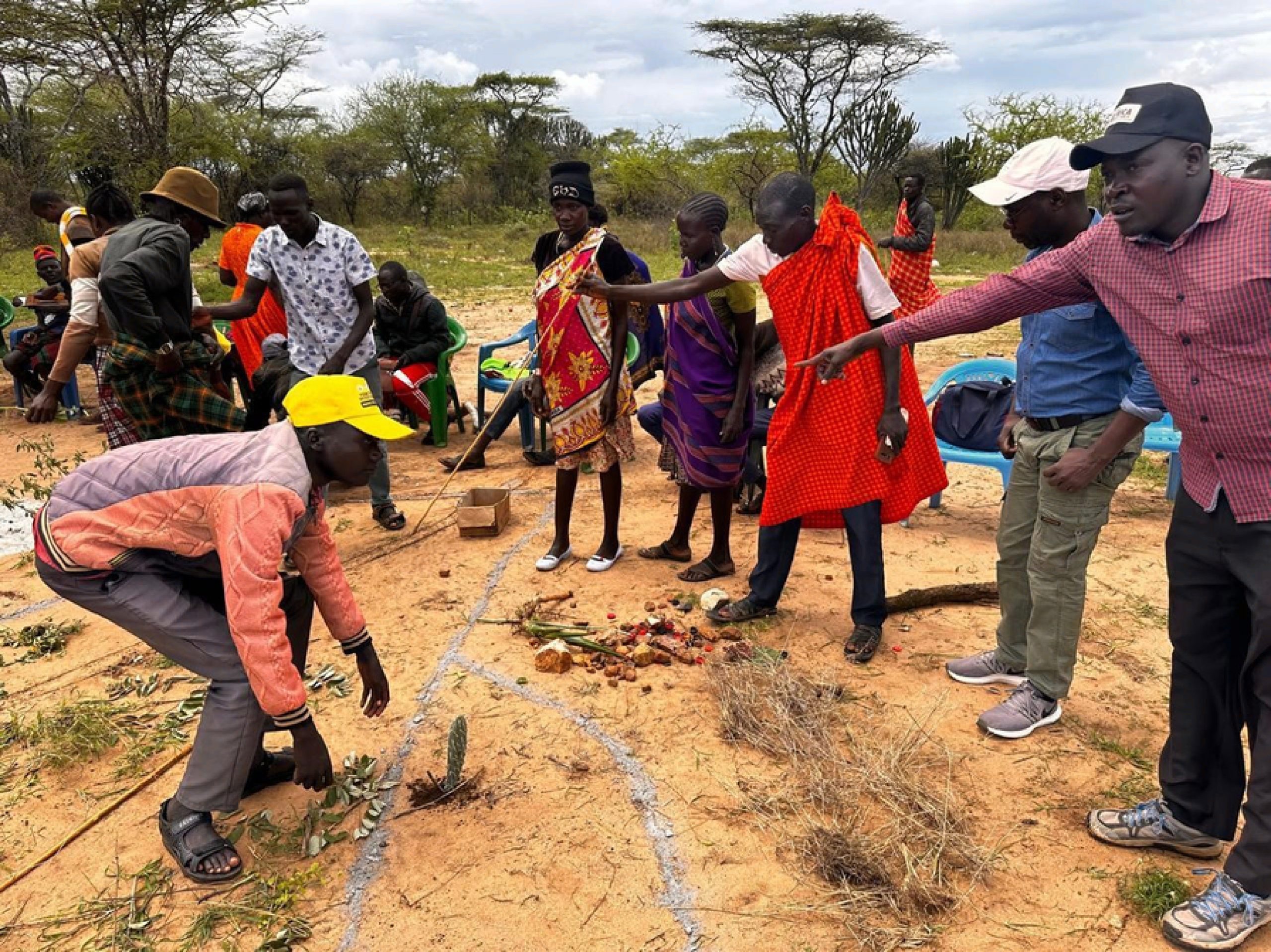
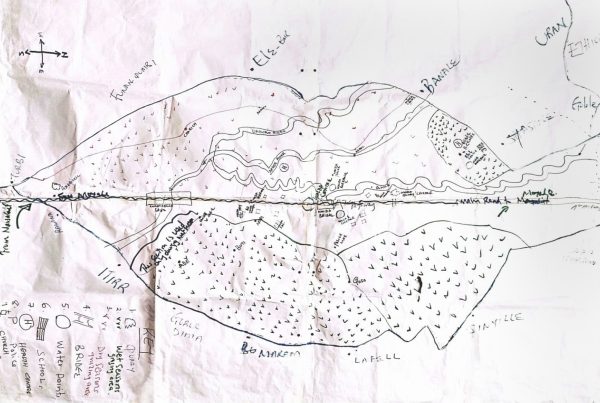
Participatory rangeland resource mapping in Nakonyen, Karamoja (Uganda)
Using a harmonized tool developed by RECONCILE and ILRI, communities, government actors, and partners jointly assessed sites based on rangeland condition, governance structures, tenure systems, and community willingness. Three sites emerged: Torosei in Kajiado County (Mara–Serengeti), recognized for its strong traditional institutions and ecological significance; Nakonyen in Moroto District (Karamoja), where a traditional grazing system governs multi-group seasonal use; and Boryale and Suftu in Dollo Ado (Mandera), chosen for its strong community to government engagement and alignment with existing initiatives.
With sites confirmed, attention turned to people. Awareness and induction sessions brought together elders, women, youth, local authorities, and civil society — aligning stakeholders around a shared vision for rangeland governance. Across the three clusters, 1,300 stakeholders participated in these dialogues. Communities then led the resource mapping process, documenting grazing areas, water points, livestock routes, and seasonal patterns —producing maps that capture not just where resources are, but how they are used, accessed, and contested. Three rangeland management units were defined from this work: Indepen (Mara–Serengeti), Nakonyen (Karamoja), and Qansahley (Mandera).The final step at this stage was building the governance structures to sustain it all.
Effective rangeland management isn’t handed down – it’s built from the ground up!
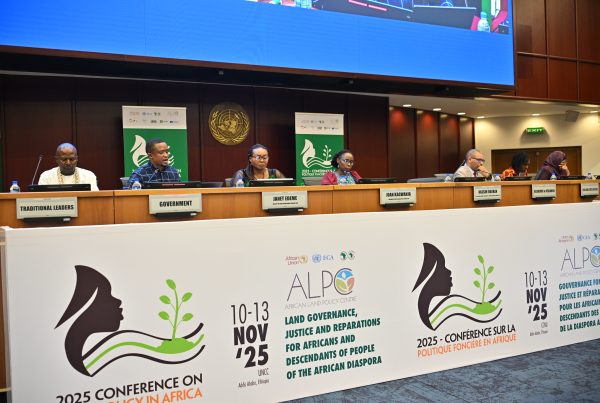
Technical Working Groups (TWGs) play a key role in ensuring stakeholder participation in Participatory Rangeland Management (PRM), linking communities with government and technical partners. At the community level, Rangeland Management Committees (RMCs) help integrate indigenous knowledge with improved rangeland management practices. The early lessons are clear: indigenous knowledge is irreplaceable, sustained engagement builds genuine ownership, and growing interest from neighboring communities signals the need to scale PRM across broader landscape.
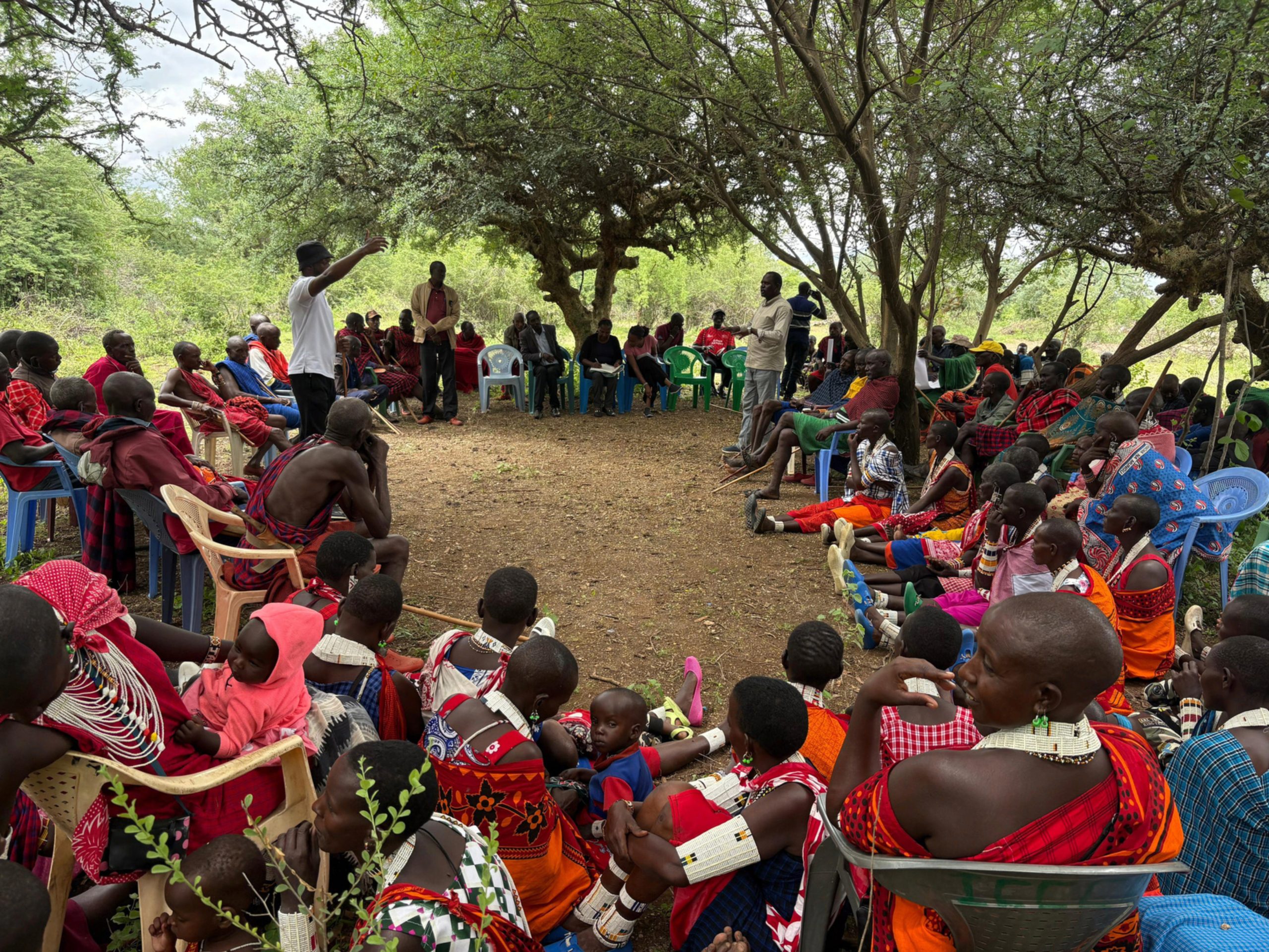
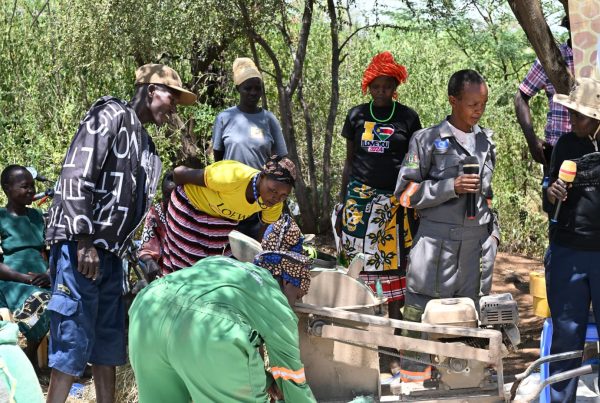
Community awareness session in Indepen in Kajiado County (Kenya)
Read Original publication from page 13 of https://openknowledge.fao.org/server/api/core/bitstreams/4e2135bf-9e5a-436b-a26c-3d5e053a60a5/content