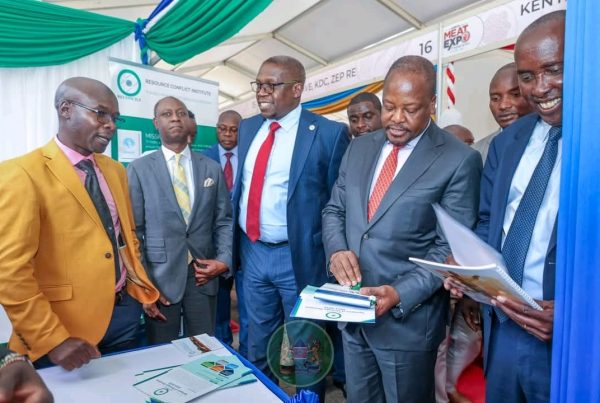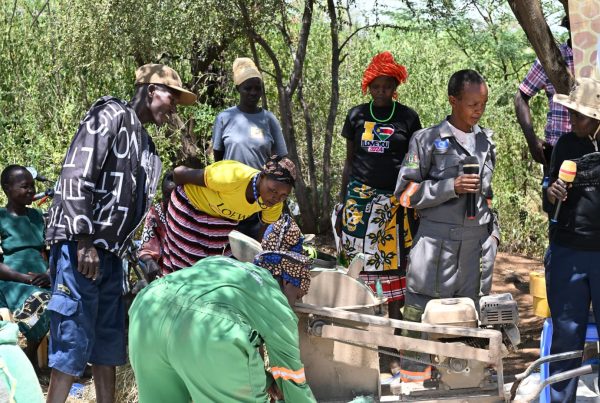
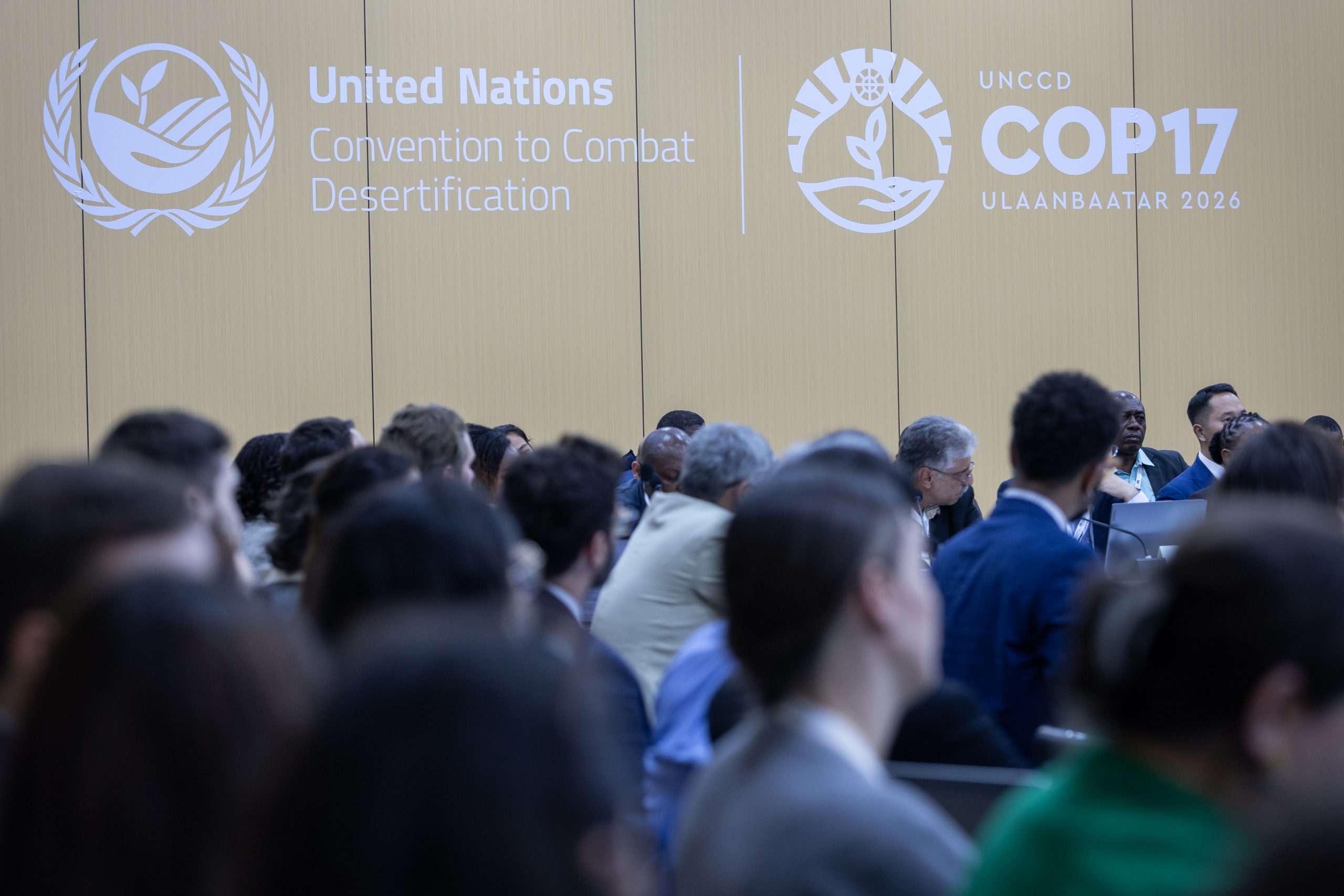
One week into UNCCD COP17 in Mongolia, the theme “Restoring Hope, Restoring Land” has placed land and people firmly at the center of global dialogue. Side events, high‑level engagements, and media coverage have among other issues highlighted the urgency of rethinking investment approaches and governance frameworks for rangelands and pastoral systems. Resource Conflict Institute (RECONCILE) has joined other partners continues to firmly participate in the UNCCD through a booth at the pavilion, that has been a key space for dialogue and connection with government representatives, civil society actors, and host country participants as highlighted below.

 Key Highlights
Rethinking Investment in Rangelands
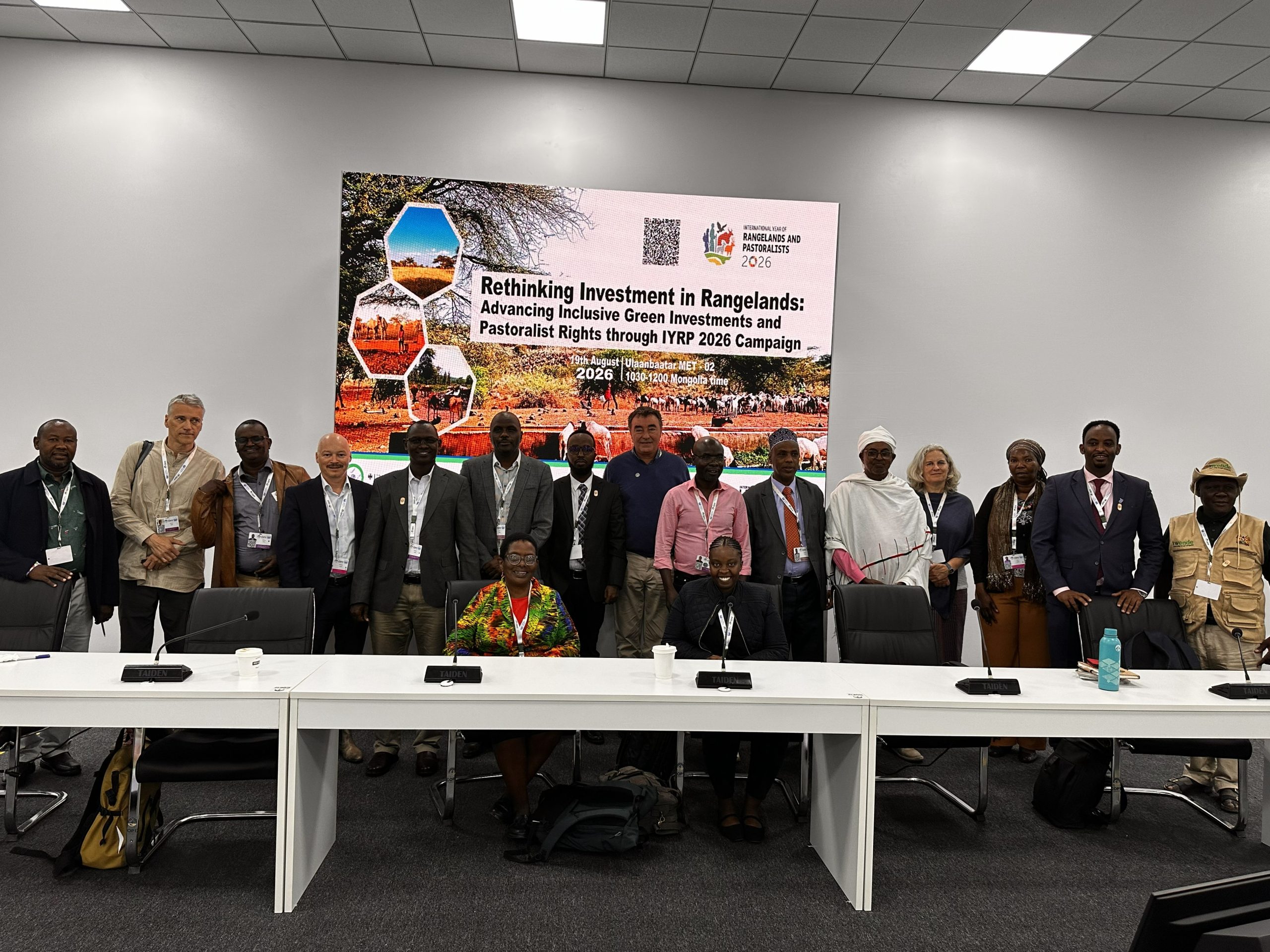
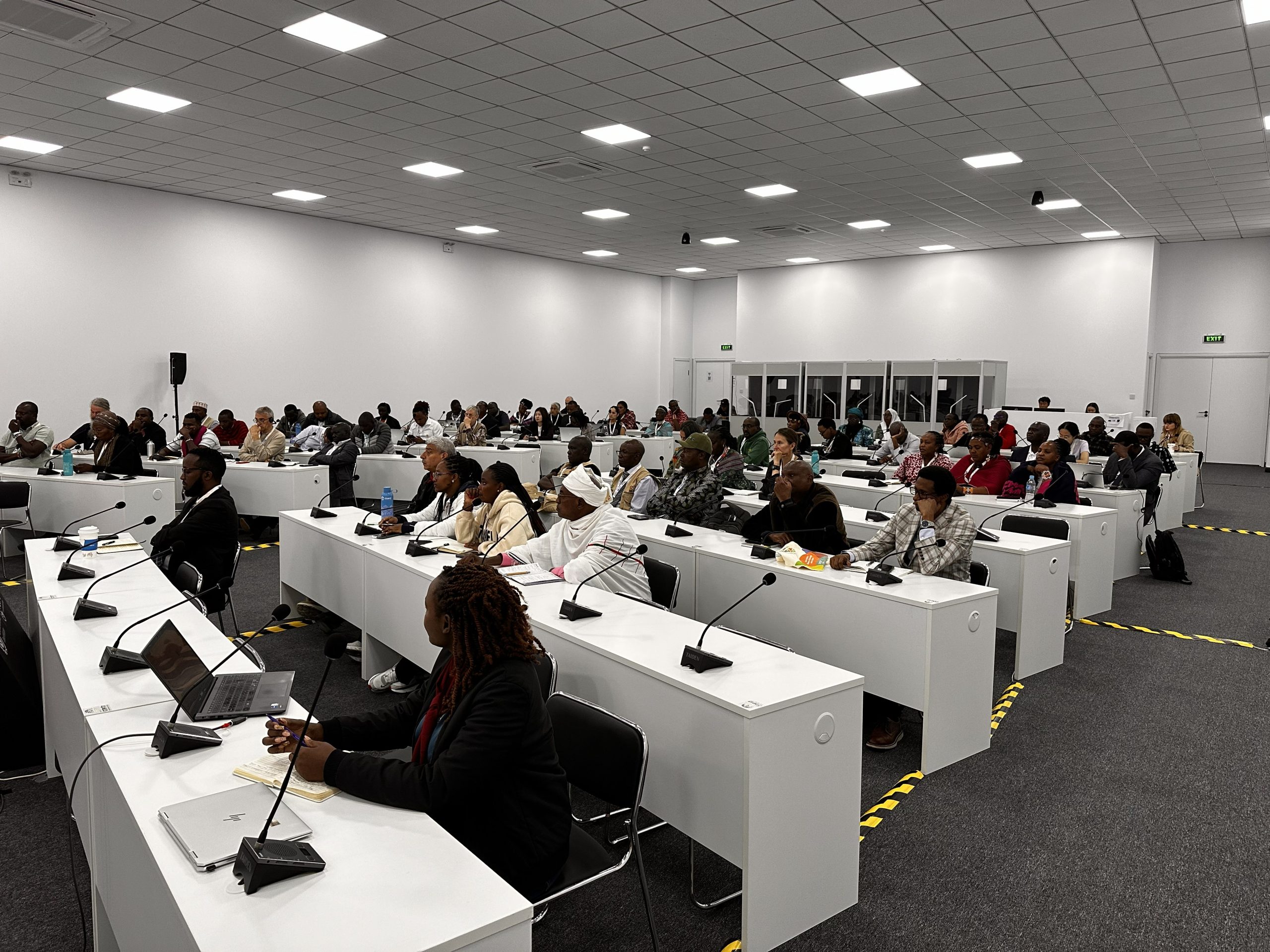
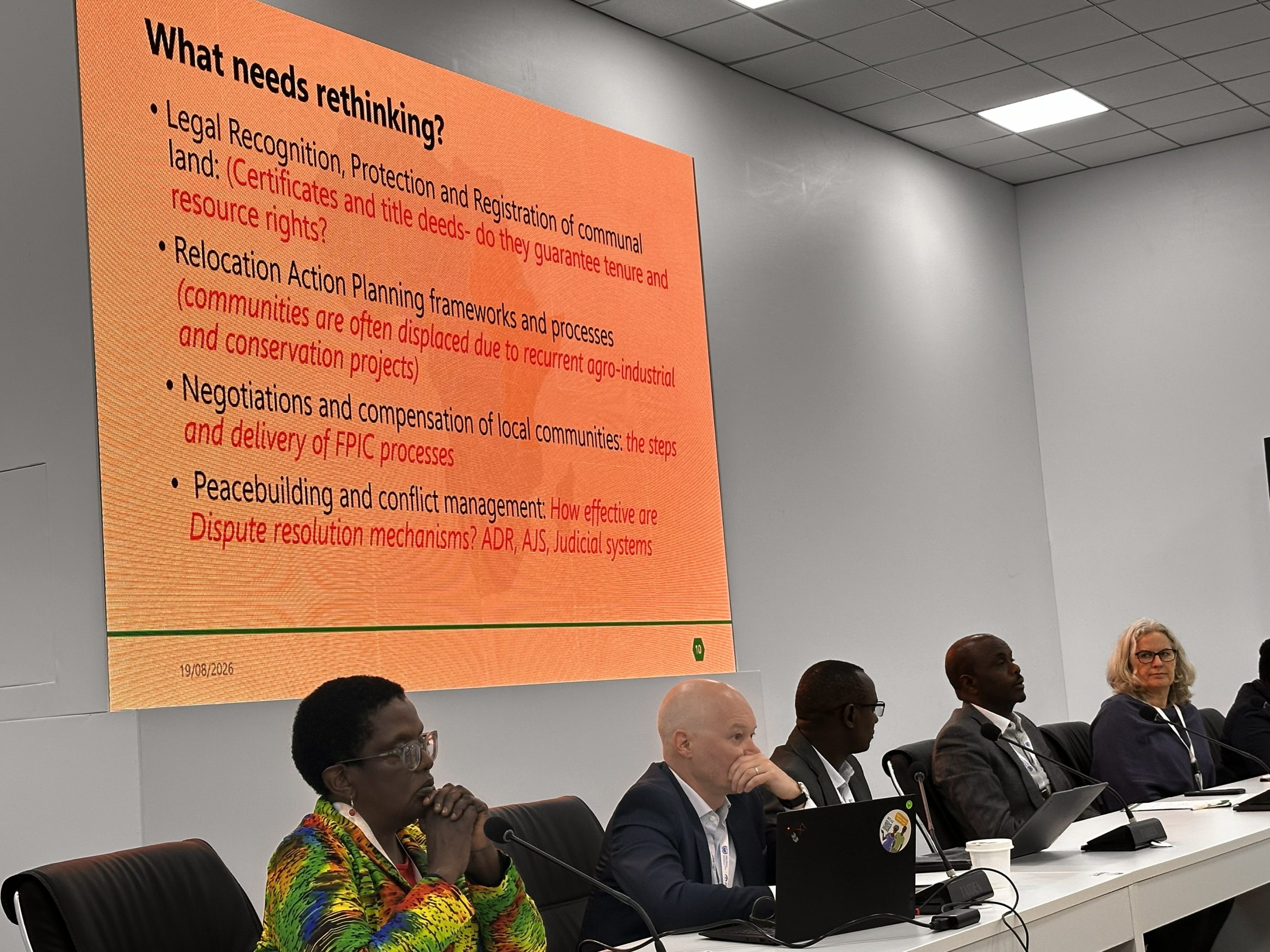
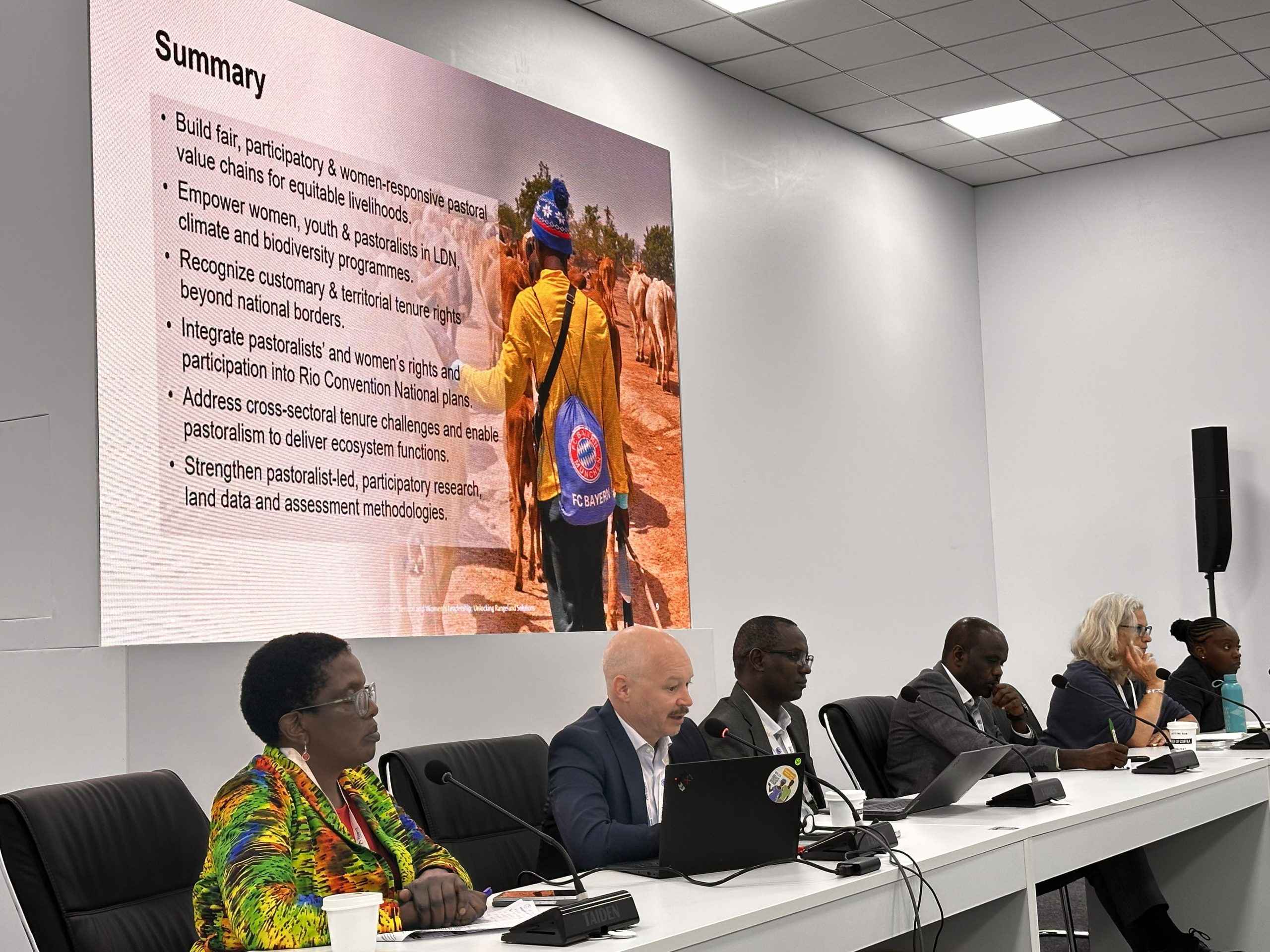
On 19 August, the session “Rethinking Investment in Rangelands: Advancing Inclusive Green Investments and Pastoralist Rights through the IYRP 2026 Campaign” emphasized the need to move beyond conventional approaches. Secure tenure, prevention of displacement, fair negotiations and compensation, and stronger conflict resolution mechanisms were identified as critical safeguards in light of intensified investment intentions occasioned by the global call for a green transition.
Consequently, rangelands are under increasing threat from large‑scale investment interests — including mining for transition minerals, conversion into carbon offset sites, expansion of energy projects such as wind and solar farms, and eventual transformation into large‑scale agricultural lands.
Reflecting the need for broader collaboration among partners and actors, RECONCILE co‑convened this event together with IGAD‑ICPALD, Land Matrix Initiative (LMI), Centre for Research and Development in Drylands (CRDD), Food and Agriculture Organization of the United Nation (FAO), German Federal Ministry for Economic Cooperation and Development (BMZ), International Livestock Research Institute (ILRI), The Christensen Fund, Misereor, and Home Planet Fund — highlighting the collective effort to safeguard pastoralist rights and promote inclusive green investments.
2. High‑Level Engagements
Engagements included:
- Dr. Osama Ibrahim Faqeeha, Deputy Minister for Environment, Saudi Arabia.
- The Permanent Secretary, Ministry of Environment, Government of Kenya.
- Delegations from IGAD‑ICPALD, ILRI, FAO, Government of Kenya, African Union Commission etc
These meetings reinforced the importance of regional collaboration and global leadership in advancing rangeland governance.
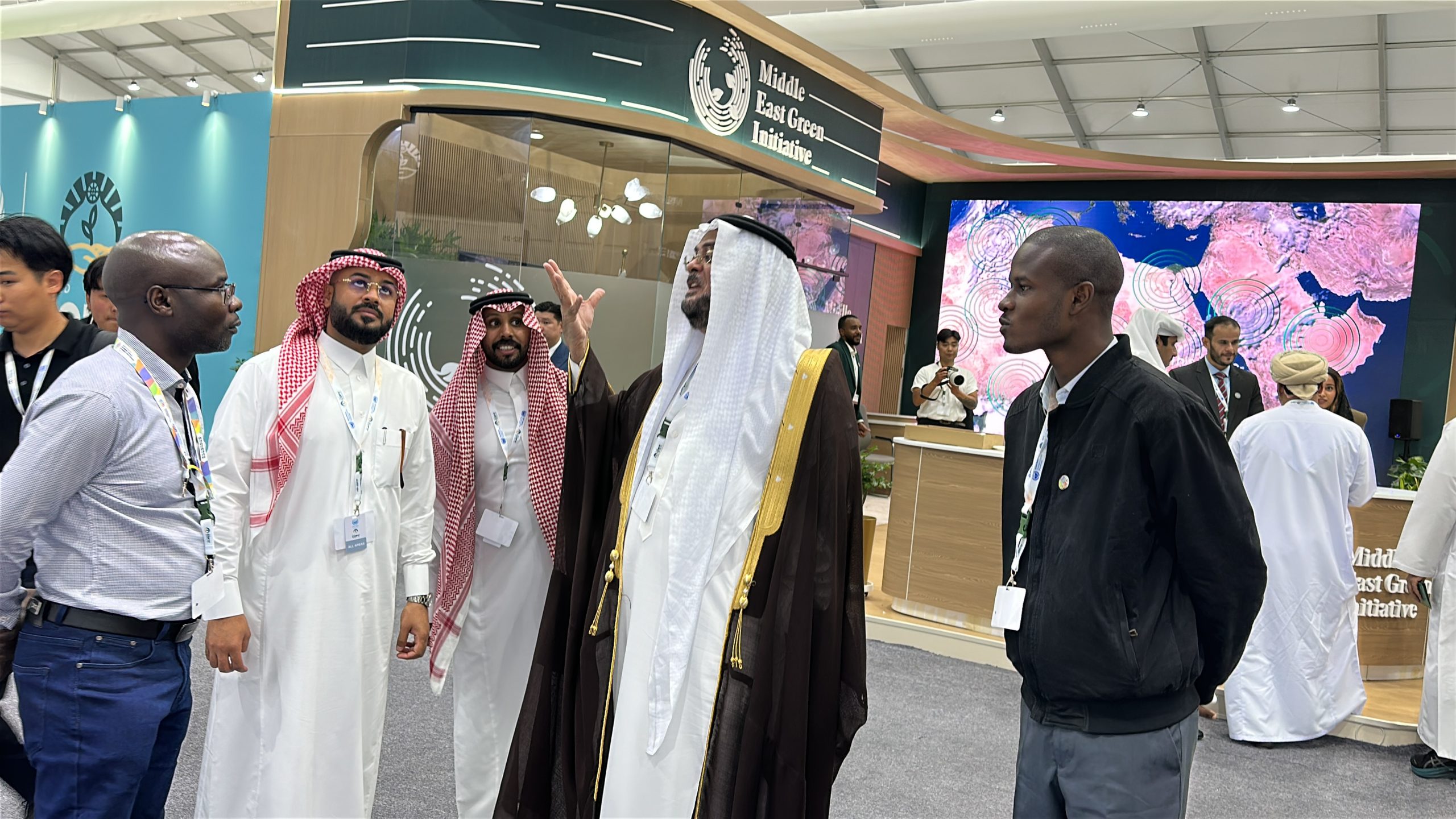
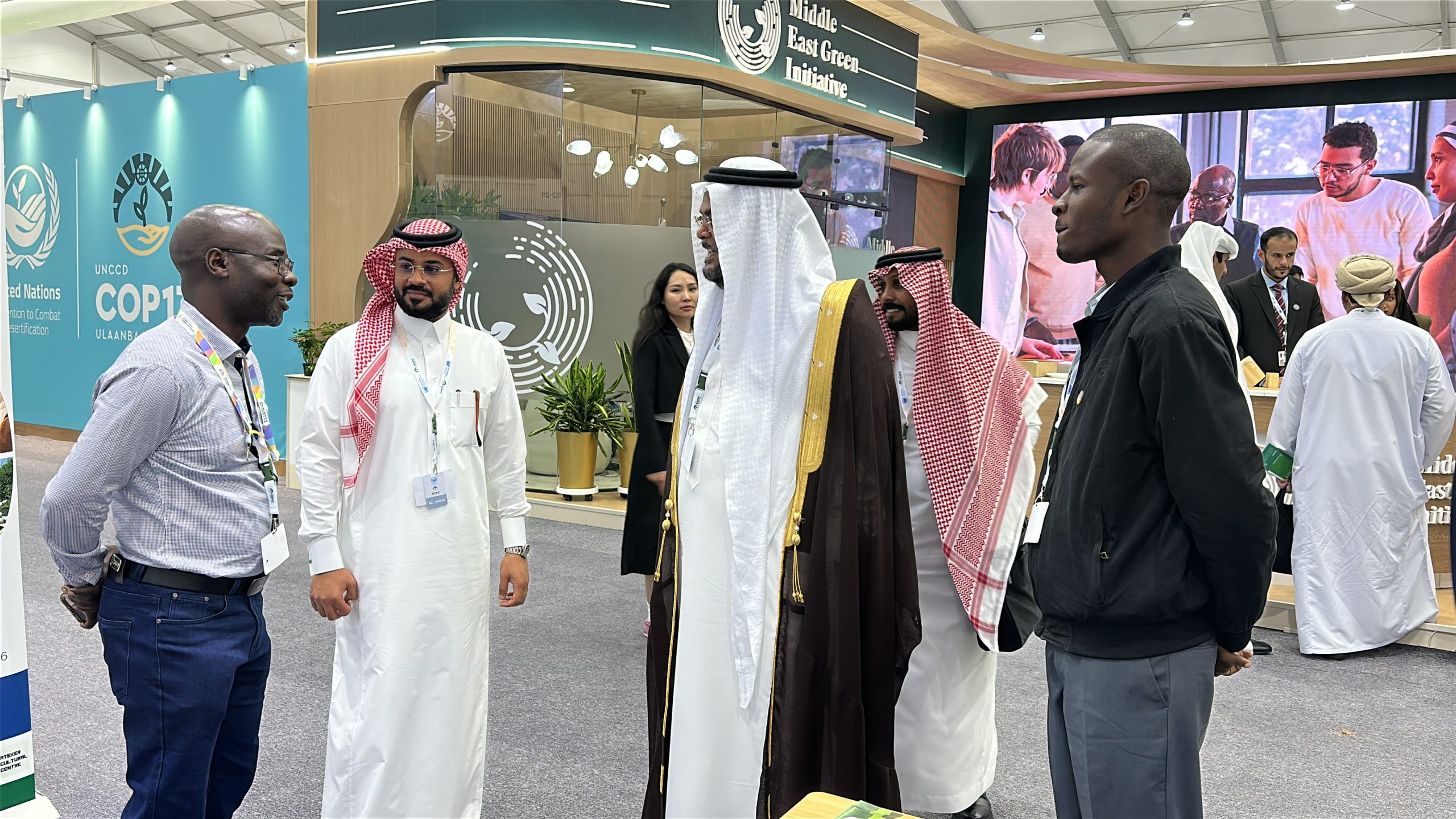
Discussions with Dr. Osama Ibrahim Faqeeha; Deputy Minister for Environment- Ministry of Environment ,Water and Agriculture ; Government of the Kingdom of Saudi Arabia
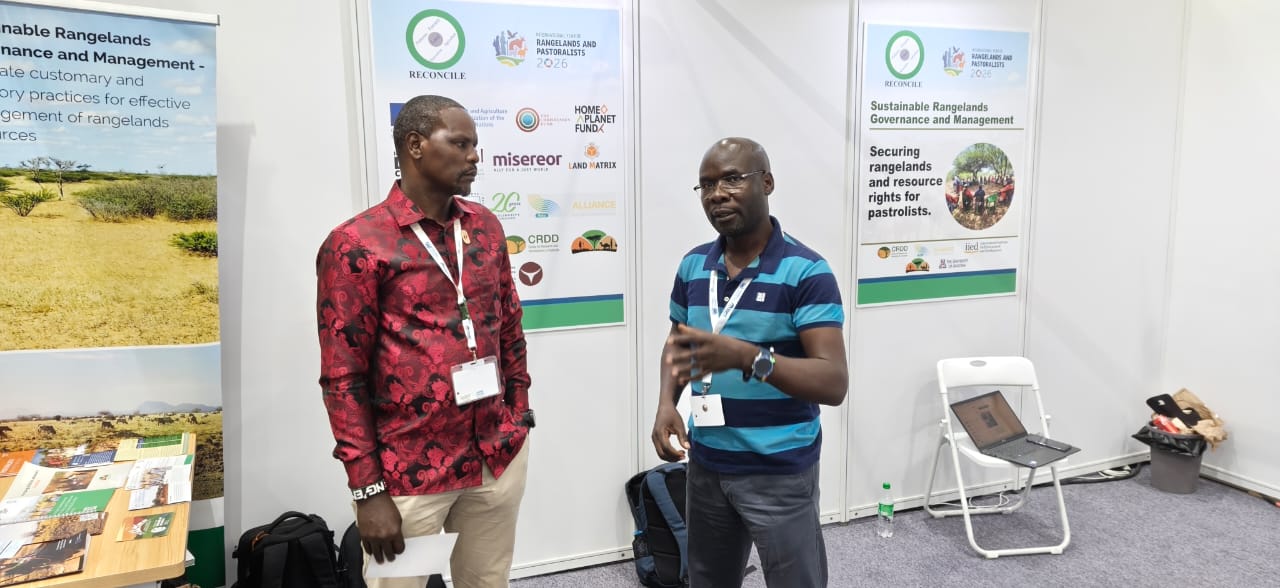
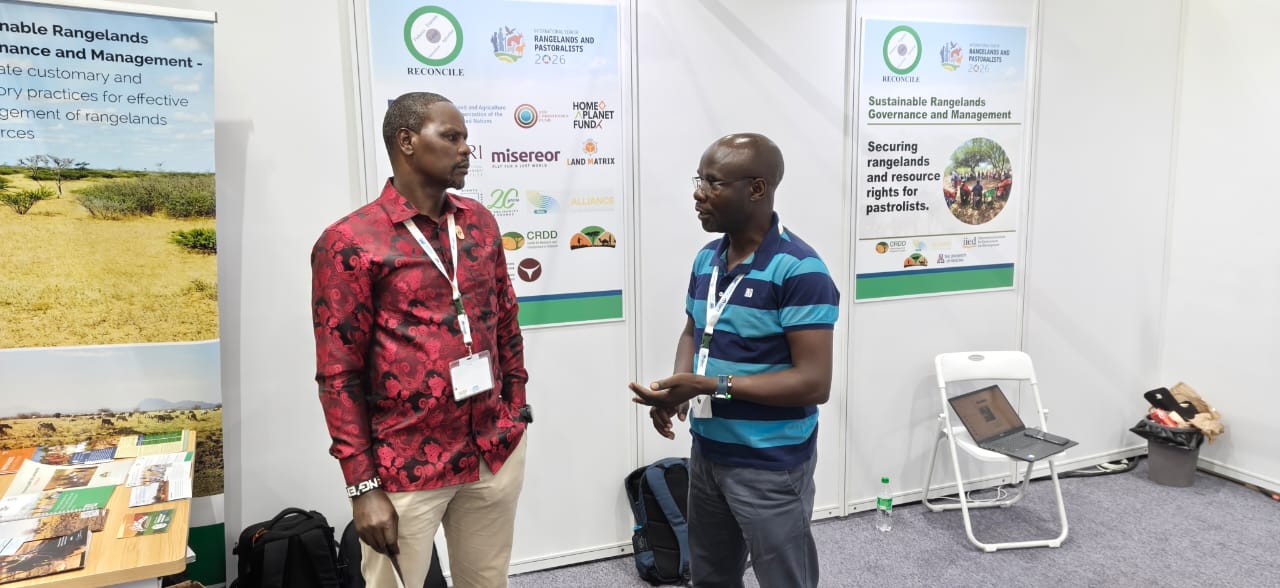
Discussions with Dr. Eng. Festus K. Ng’eno ; Principal Secretary, Ministry of Environment and Forestry, State Department for Environment and Climate Change- Government of Kenya
3. Reflections on Land Governance in the IGAD Region:
In a session jointly convened by IGAD-ICPALD and RECONCILE, under the title ‘Building a Case for a Positive Narrative on Mobility and Transhumance: Policy Pathways for Pastoral Systems‘, challenges and opportunities of communal rangelands governance in the Horn of Africa were explored. An opening address by Mr. Ken Otieno stressed that youth and women inclusion, community‑based planning, and stronger institutional support are essential for meaningful land governance within the IGAD region.
4. Media Coverage
The work of RECONCILE has already been featured on Mongolian television, underscoring the growing interest in rangeland and pastoralist issues at COP17.
5. Upcoming Side Event (27 August)
The session “Building a Case for a Positive Narrative on Mobility and Transhumance: Policy Pathways for Pastoral Systems” will reframe mobility and transhumance as essential, adaptive, and climate‑resilient systems vital for pastoral livelihoods and rangeland health. This marks a shift away from outdated perceptions, and assumptions toward recognition of mobility as a sophisticated socio‑ecological strategy.