Influencing collective land tenure indicators: Burkina Faso, Kenya and Sudan case studies
This report explores collective pastoral land tenure through three country case studies, identifying practical measures for understanding perceived security of communal land rights.
Using qualitative fieldwork and an adapted Prindex approach, the study assesses perceptions of tenure security at both group and individual levels, recognising variation by gender, wealth and social position. Across all three cases, pastoralists reported relatively high perceived tenure security despite the absence of formal land documentation. This security is underpinned by strong social cohesion, locally legitimate leadership, flexible rules governing land use, good relations with neighbouring communities and the ability to maintain livestock mobility.
The report also identifies growing pressures on collective tenure systems, including agricultural expansion, land privatisation, climate change and conflict, alongside persistent gender inequalities in some contexts. It concludes by identifying key characteristics of collective tenure that can inform more appropriate indicators for measuring perceived tenure security in pastoral settings, with implications for policy, programming and global land tenure monitoring.

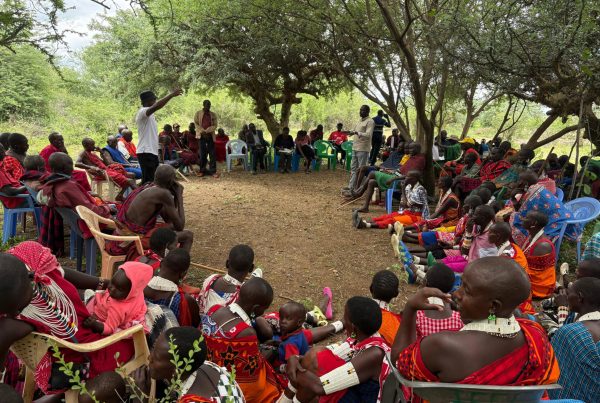
A traditional well during a drought in Marsabit county. Collectively managed resources are vital for pastoralism in Marsabit, Kenya. Credit: ILRI / George Wamwere-Njoroge
Download the full Report below:
Influencing collective land tenure indicators_Burkina Faso, Kenya and Sudan case studies_HIRes
The technical report was first published by SPARC