This episode of Dynamic Drylands podcast interviews two experts about how pastoralists are adapting and innovating in response to changes in the drylands. The podcast is centered around the question, ‘What place do pastoralists have in a fast changing Africa?’
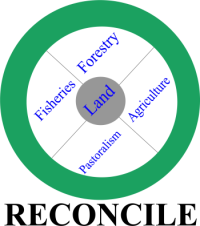
In this podcast, Ken Otieno, the Executive Director, RECONCILE, highlights 4 central issues that have to be considered:
. The Centrality of Pastoralism in Drylands
-
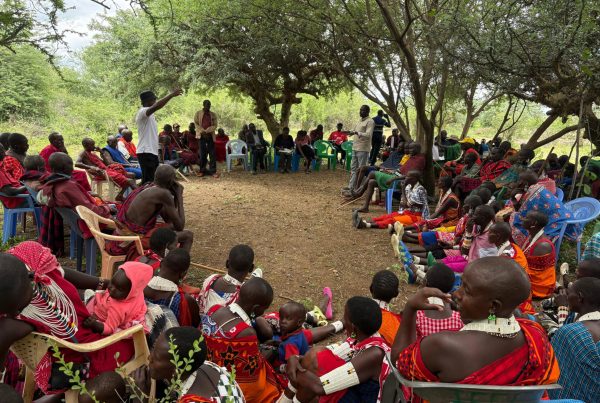
Pastoralism as a livelihood system: Ken Otieno emphasised that pastoralists manage land collectively, guided by traditional governance structures that are unwritten but deeply understood within communities.
-
Distinct identity and governance: This collective and mobile use of land distinguishes pastoralists as a distinct socio-economic and cultural group with their own systems of resource management.
2. Land Governance and Conflict
-
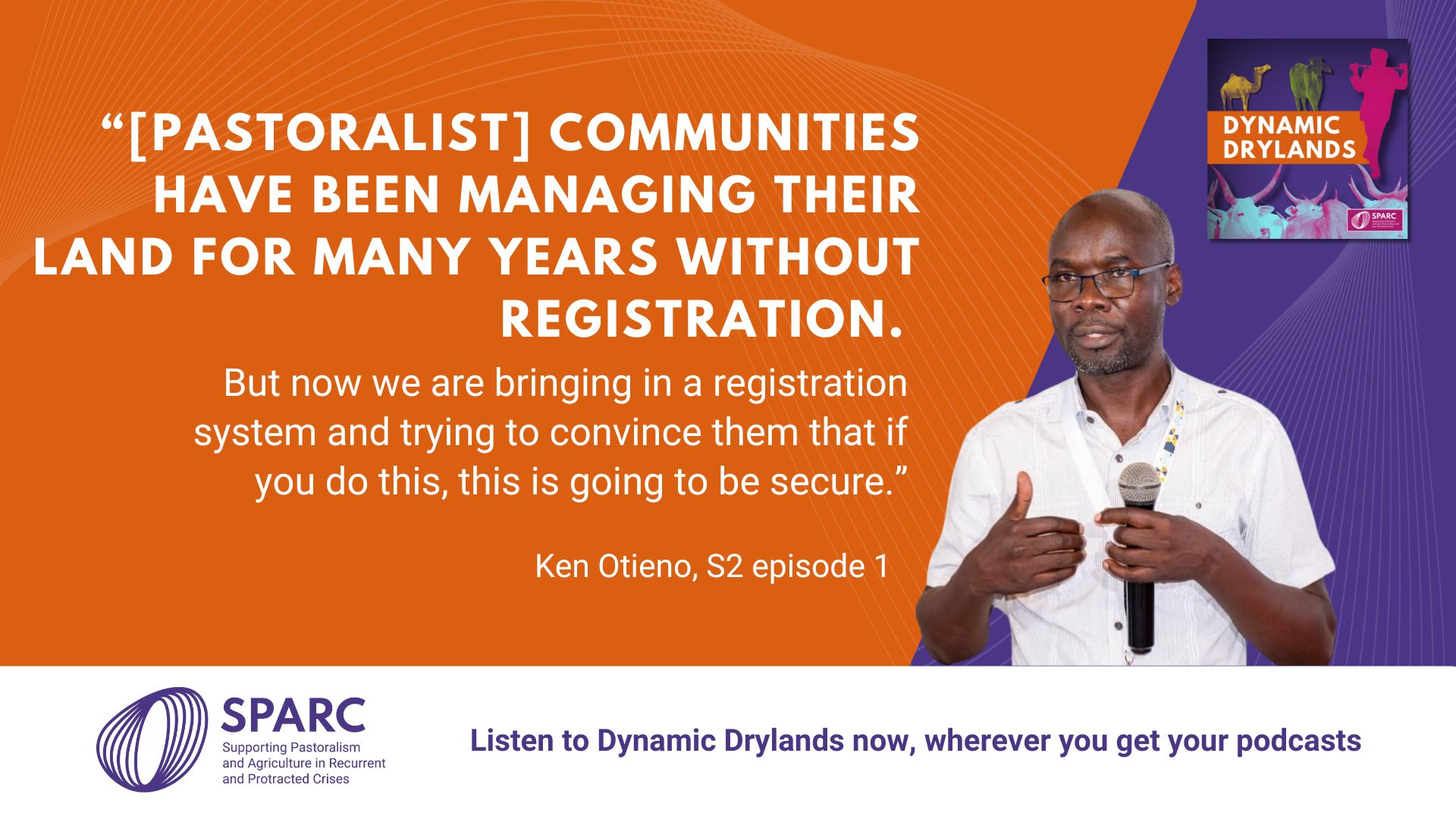
Clash with modern land systems: The shift toward individualised, registered land tenure systems undermines traditional collective systems. Once land is registered and used as collateral, it can erode communal cohesion and increase social fragmentation.
-
-
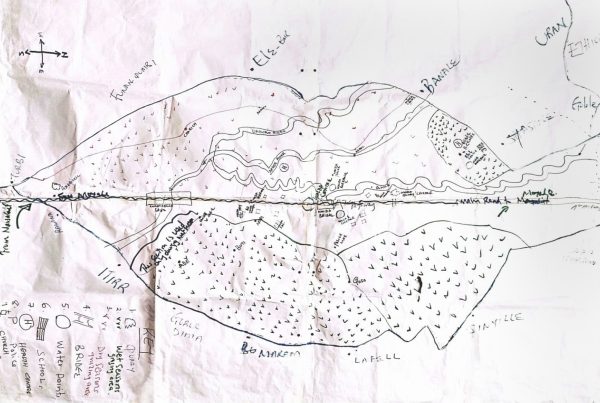
Development-induced conflicts: Infrastructure, mining, agriculture, tourism, and conservation projects often ignore traditional grazing routes and communal land use, displacing pastoralists and triggering resource conflicts.
-
Legal contradictions: While constitutions (like Kenya’s) protect communal lands, governments can claim such lands for “national interest,” effectively sidelining communities’ rights and tenure security.
3. Examples of Positive Cooperation
-
Cross-border peace and cooperation: Ken highlighted the Karamoja cluster (Kenya–Uganda–South Sudan) as a successful case where locally led peace agreements among pastoralist groups later inspired formal intergovernmental accords between Kenya and Uganda.
-
Lesson: Locally owned and culturally grounded agreements can be powerful tools for both peacebuilding and mobility management in drylands.
4. Tension Between Modernization and Traditional Systems
-
Ken cautioned that efforts to “modernize” pastoralism often misread or oversimplify local realities.
-
Instead of imposing external systems, governments and development partners should respect, integrate, and strengthen traditional governance mechanisms that have long ensured sustainable resource use.
Article was first published at:
https://www.sparc-knowledge.org/news-blog/blog/dynamic-drylands-s2-e1