Resource Conflict Institute (RECONCILE),
Off Oginga Odinga Road,
Ngei Estate (Next to Evans Sun Rise Hospital).
+254 722 256059
info@reconcile-ea.org
PLACE was developed in response to the growing pressures facing pastoral communities and the rangelands and natural resources on which their livelihoods depend. Across Eastern Africa, climate change, resource competition, weak governance, and conflict are increasingly interconnected, creating significant challenges for pastoral communities and livestock-based livelihoods.
The PLACE programme takes an integrated approach that recognizes the close relationship between climate change, natural resource management, livestock production, governance, and conflict. Through its interventions, the programme supports communities and local institutions to sustainably manage rangelands, improve livestock productivity, strengthen local governance systems, and reduce tensions arising from competition over natural resources.
The programme is funded by the European Union and implemented by the Food and Agriculture Organization of the United Nations (FAO), in collaboration with implementing partners, including the Resource Conflict Institute (RECONCILE), International Livestock Research Institute (ILRI), and International Centre of Insect Physiology and Ecology (ICIPE)
As an implementing partner, RECONCILE contributes to the programme’s efforts to strengthen sustainable and peaceful management of natural resources and build the resilience of pastoral communities. Through its engagement, RECONCILE works with relevant communities, institutions, and stakeholders in the target areas to promote inclusive governance, strengthen dialogue, and support approaches that help address resource-related conflicts and the challenges associated with climate change. This is primarily through the implementation of the Participatory Rangeland Management approaches in the target areas.
PLACE aims to reach approximately 100,000 beneficiaries across Kenya, Uganda, Ethiopia, Somalia, Tanzania, and South Sudan, including pastoral households and associations, civil society organizations, and local governance institutions in the cross border areas indicated below.
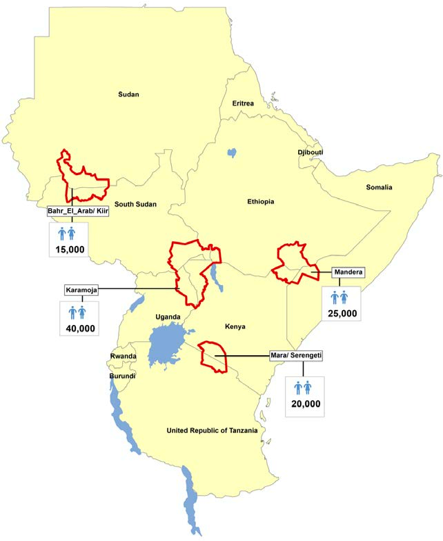
Pastoral systems often extend across national borders. Livestock mobility allows herders to respond to seasonal changes in pasture and water. However, cross-border mobility can also create tensions and conflicts when governance systems are weak or when resources become scarce. To address these challenges, the PLACE programme focuses on cross-border clusters where pastoral mobility is common and cooperation is essential.
The programme works in four clusters:
Bahr el Arab/Kiir
Karamoja
Mara–Serengeti
Mandera
The inception phase for the project ran from November 2025 to January 2026. Currently, the project is under active implementation with the following activities having already been implemented:
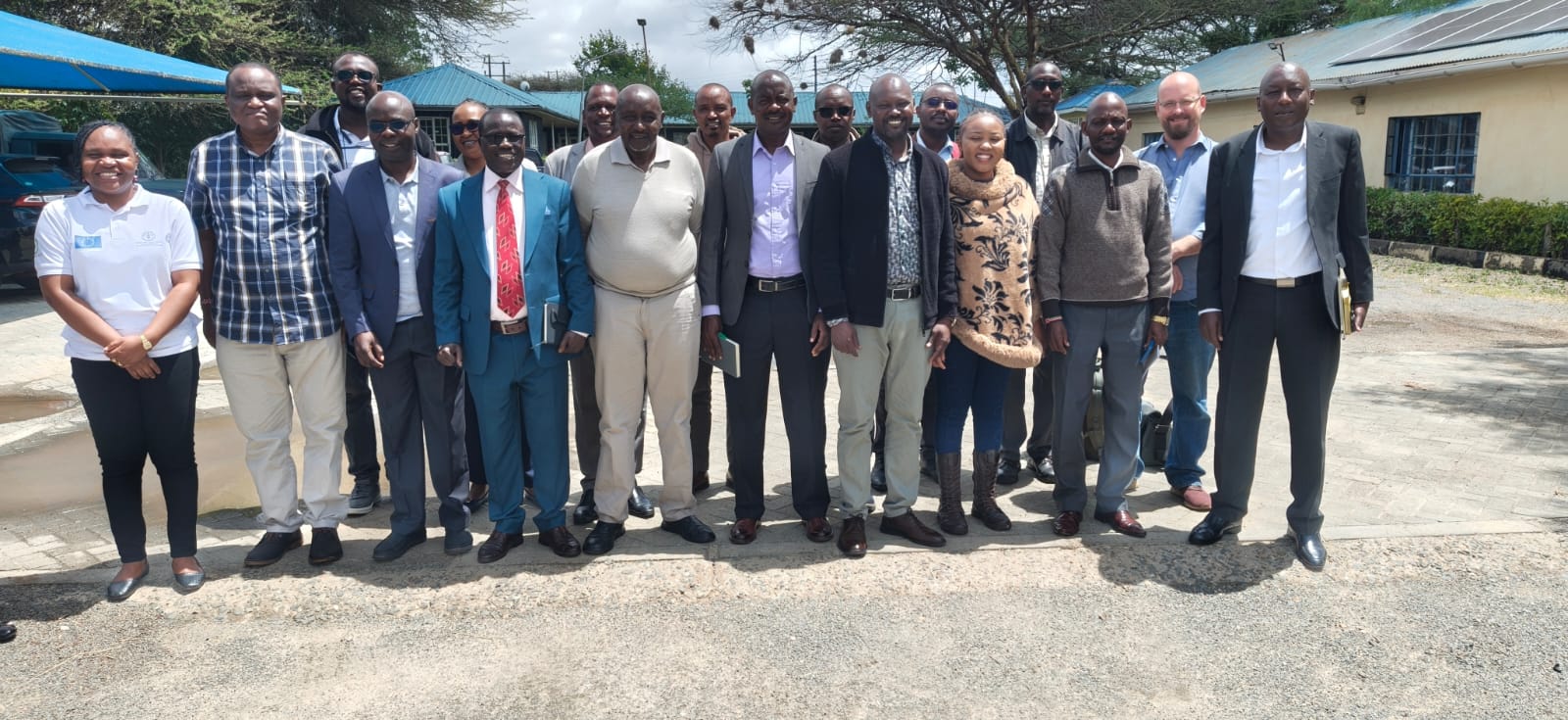
Stakeholder Engagement, Mara- Serengeti Cluster
One of the key tasks was to identify suitable locations for implementing Participatory Rangeland Management (PRM). To guide this process, RECONCILE, in collaboration with the International Livestock Research Institute (ILRI), developed a site selection tool to systematically assess potential sites against a range of social, institutional, environmental, and security considerations.
The assessment looked at whether the policy, legal, and institutional environment was supportive of PRM and whether there was sufficient local government interest and goodwill to support implementation. It also considered the tenure and condition of rangelands, with a focus on areas where relatively intact rangelands remain and where communities continue to use them communally for grazing and other pastoral livelihood activities.
Another important consideration was community acceptability and readiness. The assessment examined the willingness of communities to participate in PRM, invest in the process, and take responsibility for its implementation. It also considered the existing governance structures and natural resource management systems, including the level of community organization and the presence of structures such as Resource Management Associations, grazing management committees, Water Users Associations, and other local institutions responsible for managing rangelands and natural resources.
Peace and security was also an important part of the assessment. Potential sites were examined in relation to their exposure to violent conflict, existing conflicts, and other security concerns that could affect the implementation and sustainability of PRM. The assessment further considered existing investments and stakeholders, including development partners, investors, ongoing initiatives, and the nature and value of their activities, as well as opportunities for collaboration and synergy with PRM.
Based on these criteria, three priority sites were identified for PRM implementation: Nakonyen in the Karamoja Cluster, Torosei in the Mara–Serengeti Cluster, and Boryeale in the Mandera Cluster. These sites were selected based on their potential to support participatory rangeland management while providing opportunities to strengthen community governance, improve rangeland management, and build resilience among pastoral communities.
Having Identified the sites, RECONCILE has been actively implementing in these sites in line with the PRM steps below:
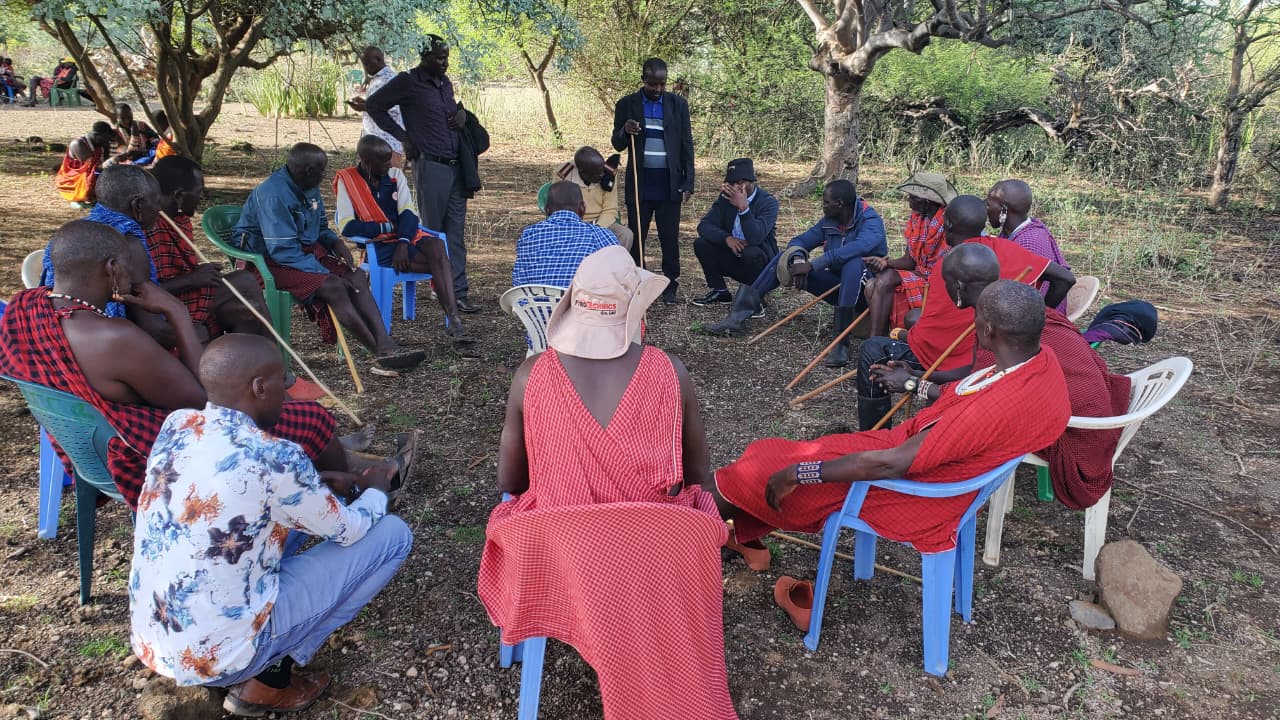
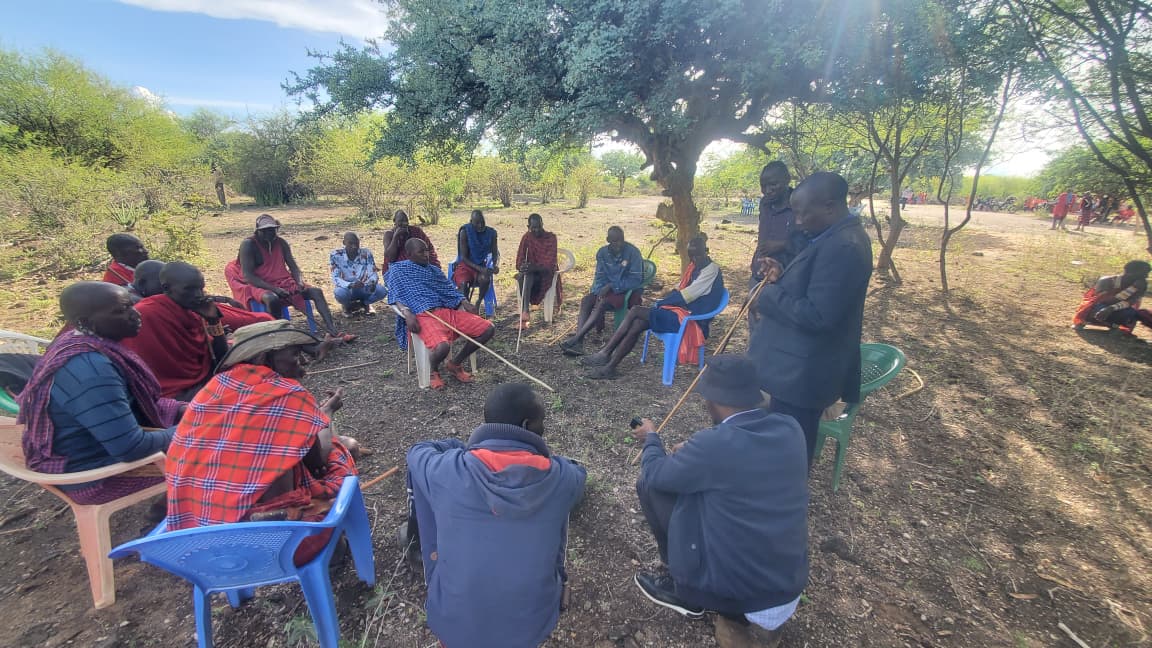
Engagements with the existing grazing committee members, Ntepen village, Mara serengeti cluster
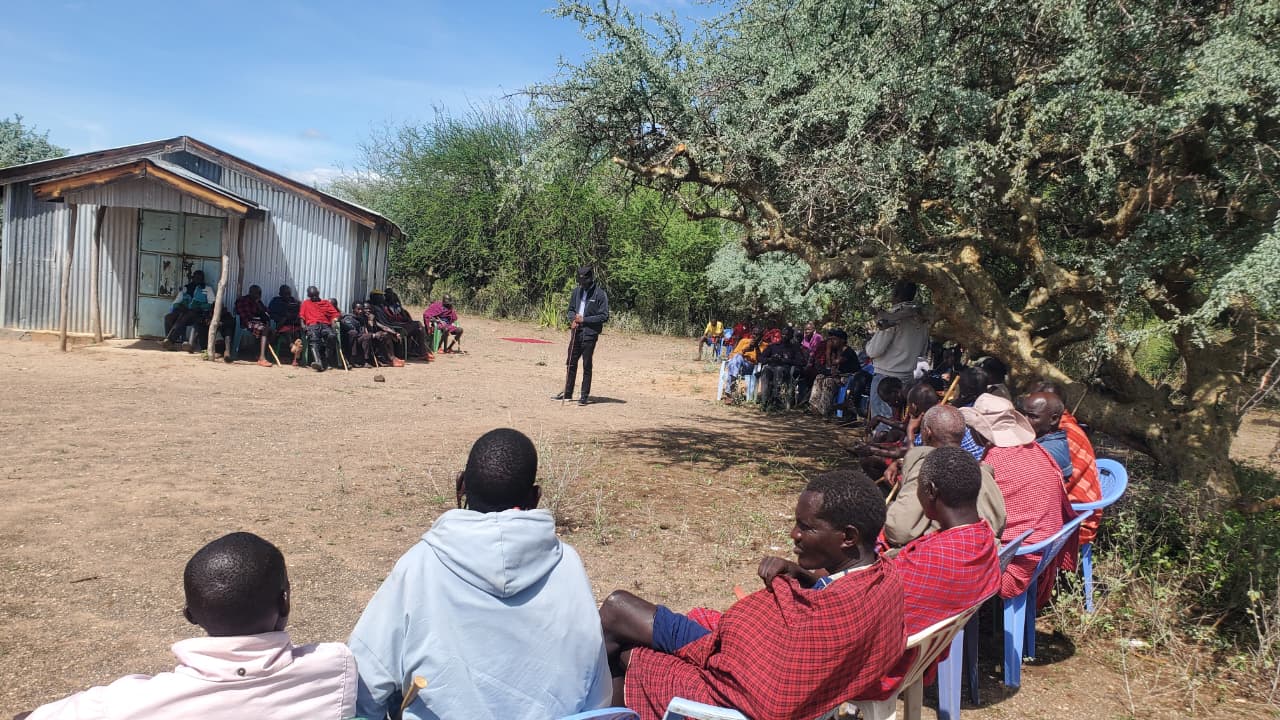
Community meeting at Ntepen, Mara Serengeti for the selection of RMUSelected RMU, Ntepen, Mara Serengeti cluster
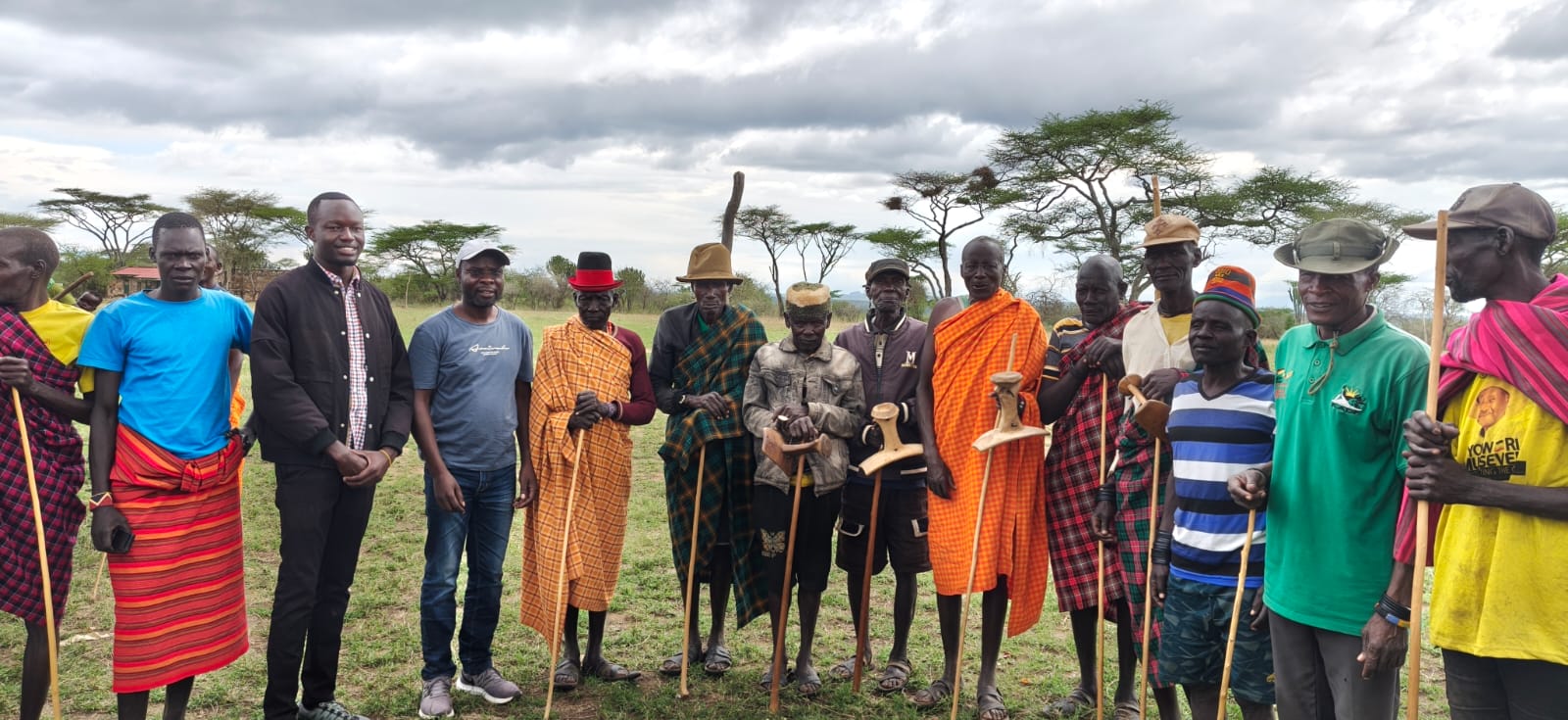
RMU Members, Nakoyen, Karamoja Cluster
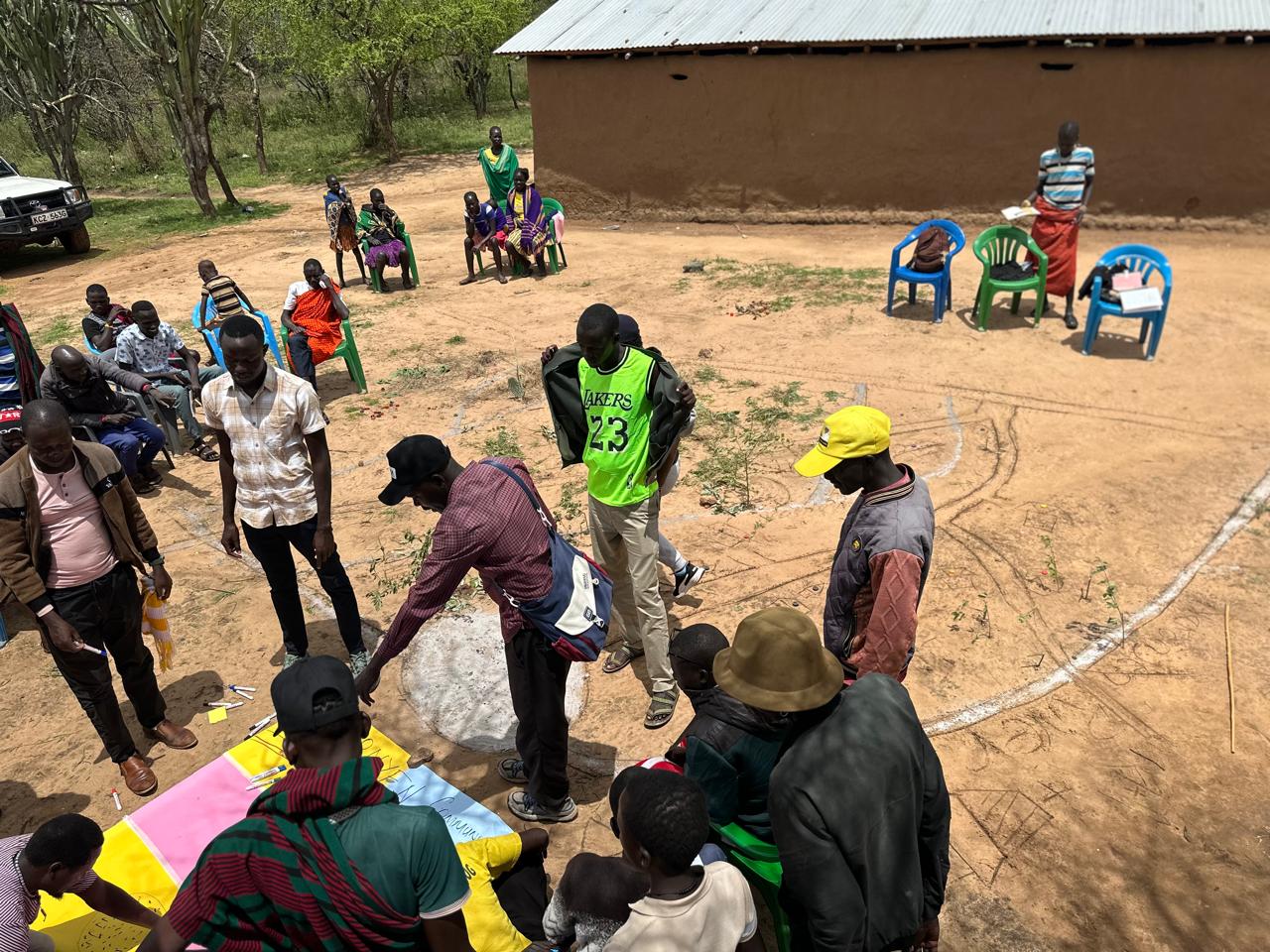
Participatory Rangeland Resource MappingParticipatory resource Mapping, Nakoyen, Karamoja Related Project Files Open Project Photos
Resource Conflict Institute (RECONCILE),
Off Oginga Odinga Road,
Ngei Estate (Next to Evans Sun Rise Hospital).
+254 722 256059
info@reconcile-ea.org